
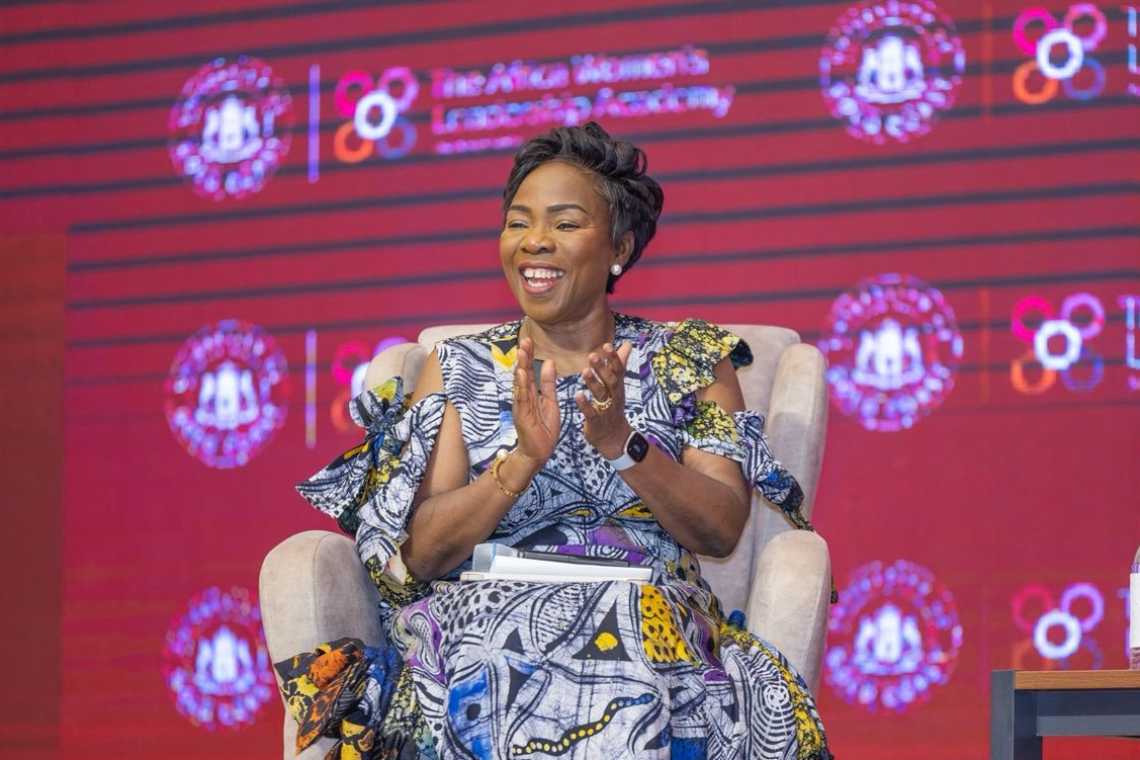
At the Africa Women’s Entrepreneurship & Business Innovation Programme (AWEBIP) 2026, the message to female founders was clear: sustainable success is not built on
shortcuts, but on the pillars of brand presence, perception, and trust.
Speaking to a capacity crowd of nearly 200 women entrepreneurs in Accra, Ms. Esther A. N. Cobbah, CEO of Stratcomm Africa, challenged business owners to look beyond personal excitement and focus on "solving problems that matter to others." Under the theme, “The Woman Founder – Brand Presence, Perception and Trust as a Skill,” Ms. Cobbah articulated a roadmap for moving from small-scale startups to institutionalized legacies.
1. The Triangle of Influence: Credibility, Relevance, Excellence
Ms. Cobbah defined these three elements as the "true currencies of leadership." She argued that a founder's relevance is not self-determined but is defined by the marketplace.
-
Credibility: Ensuring that internal actions match external promises.
-
Relevance: Aligning business solutions with the actual needs of stakeholders and the operating context.
-
Excellence: Delivering the "brand promise" consistently to build long-term trust.
2. Building Systems that Outlive the Founder
One of the most critical "Resets" discussed was the transition from a founder-centric business to a system-centric institution. Ms. Cobbah urged entrepreneurs to invest intentionally in governance structures and organizational culture.
"True leadership is reflected in the ability to build systems that function effectively even in the founder’s absence. Strong institutions outlive individuals." — Ms. Esther Cobbah
The Evolution of a Founder:
-
Self-Knowledge: Identifying personal strengths and weaknesses.
-
Capacity Building: Continuously renewing thinking and skills as the business expands.
-
Developing Others: Investing in capable people who can carry the brand’s vision forward.
3. Reputation and Crisis Preparedness
In an era of rapid information flow, Ms. Cobbah warned that a reputation is shaped most significantly during times of trouble. She advised founders to:
-
Anticipate Challenges: Invest in crisis preparedness before a problem occurs.
-
Protect Integrity: Refuse to compromise ethical standards for temporary gains.
-
Avoid Shortcuts: Focus on steady, disciplined growth rather than unsustainable "overnight" success.
4. A Legacy of Excellence: Tributes to Flair Catering
Drawing inspiration from the late Ms. Barbara Sika Baeta, founder of Flair Catering, Ms. Cobbah highlighted how brand trust can elevate local culture. Ms. Baeta's journey from small beginnings to catering for Heads of State and royalty served as a masterclass in projecting Ghanaian cuisine onto the international stage through sheer excellence.
| Key Strategy | Founder's Action Item |
| Market Relevance | Solve problems that matter to others, not just yourself. |
| Crisis Management | Build a reputation through behavior during adversity. |
| Institutionalization | Shift from personal control to strong governance systems. |
| Growth Mindset | Commit to continuous learning and self-renewal. |
The Bottom Line
For the "Woman Founder" in 2026, the competitive edge lies in the intangible assets of trust and perception. As Ms. Cobbah concluded, excellence is the only way to build a brand that commands respect across borders. By treating "trust" as a technical skill rather than just a feeling, Ghanaian female entrepreneurs can build businesses that not only survive but redefine the global marketplace.