
Accra, Wednesday, February 18, 2026 Imagine you are in a Zoom meeting with your CEO. She looks real, she sounds exactly like her usual commanding self,
and she is asking you to urgently authorize a GH₵250,000 transfer to a new vendor to "close a deal before the close of business."
You follow the order. Ten minutes later, you realize the CEO was actually in a flight to Tamale and hasn’t been online all day.
This isn't a plot from a sci-fi movie. In early 2026, deepfake-enabled corporate fraud has moved from an emerging risk to an "industrial-scale" reality. As your sole journalist, I’m digging into the tech behind these heists and how Ghanaian boardrooms can fight back.
The "New Normal" of Corporate Heists
According to recent reports from the Cyber Security Authority (CSA) and global AI incident databases, deepfake fraud attempts have surged as the cost of AI tools has plummeted. It now takes less than 30 seconds of audio to clone a voice and about 45 minutes to create a convincing video impersonation.
In the Ghanaian context, where business is built on "face-to-face" trust and verbal instructions, we are uniquely vulnerable. Our traditional "call me and I'll confirm" protocol is being weaponized against us.
The Technical Antidote: Liveness 2.0
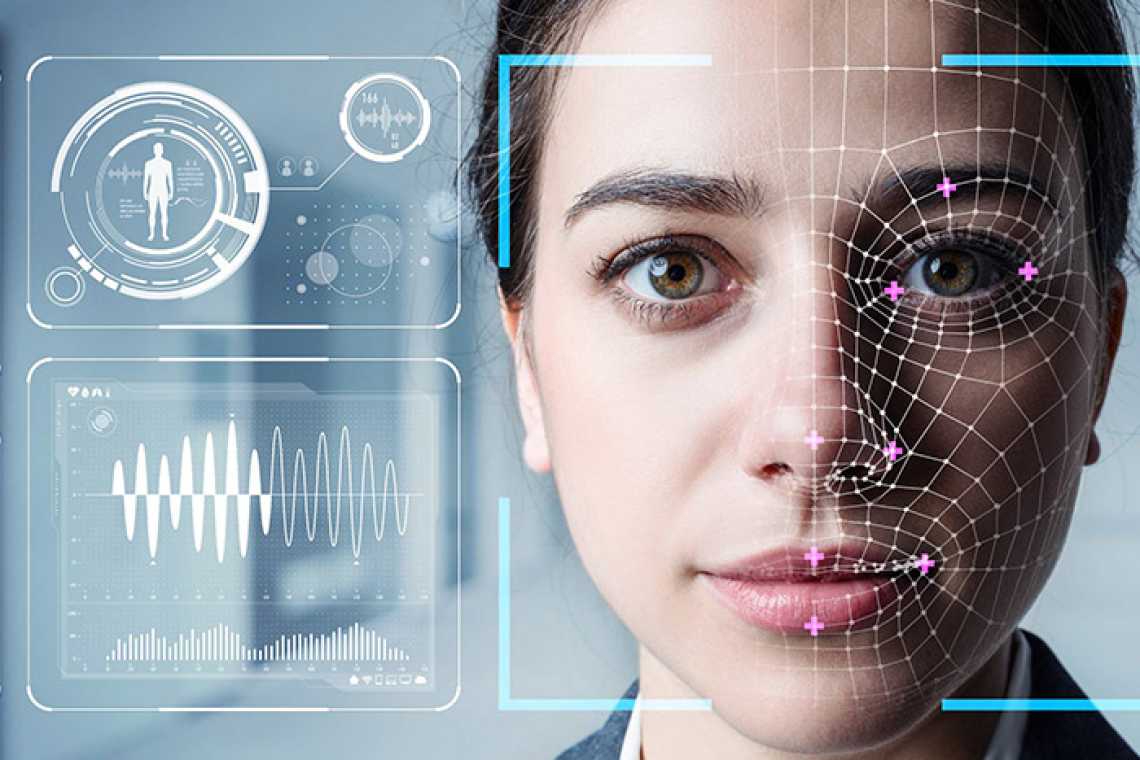
Standard "biometric login" (like your phone's FaceID) is no longer enough. Hackers can now use "camera injection" to bypass simple facial recognition. To survive 2026, Ghanaian firms must upgrade to Liveness 2.0 (also known as Passive Liveness Detection).
How Liveness 2.0 works: Unlike older systems that asked you to "blink" or "smile" (which AI can now mimic), Liveness 2.0 operates invisibly in the background. It analyzes:
-
Sub-surface scattering: How light reflects off human skin versus a screen or a mask.
-
Micro-expressions: Involuntary muscle movements around the eyes and mouth that AI "smoothing" algorithms often fail to replicate.
-
3D Depth Mapping: Confirming that the face has volume and isn't just a high-resolution 2D video feed.
Three Strategies for the Boardroom
-
Kill the "Verbal Only" Culture: Never authorize significant fund transfers based solely on a video call or voice note. Implement a Multi-Channel Verification (MCV) protocol where a second, independent factor (like a physical hardware token or a separate secure app message) is required.
-
Invest in "Liveness" Ready Apps: If your internal banking or HR apps only use static passwords, they are obsolete. Transition to platforms that integrate ISO 30107-3 compliant liveness checks.
-
The "Challenge Response" Trick: In a suspicious video meeting, ask the person to perform an unusual task—like turning their head sharply to the side or holding a piece of paper in front of their face. Most real-time deepfakes "glitch" or lose their alignment during these rapid 3D transitions.
Journalist’s Take: The Price of Trust
In Accra, your reputation is your currency. If your firm becomes the headline for a "Deepfake CFO Scam," regaining client confidence is nearly impossible. High-security tools like Cryptio and advanced liveness detectors aren't just IT costs; they are the "digital bodyguards" for your company's bank account.