
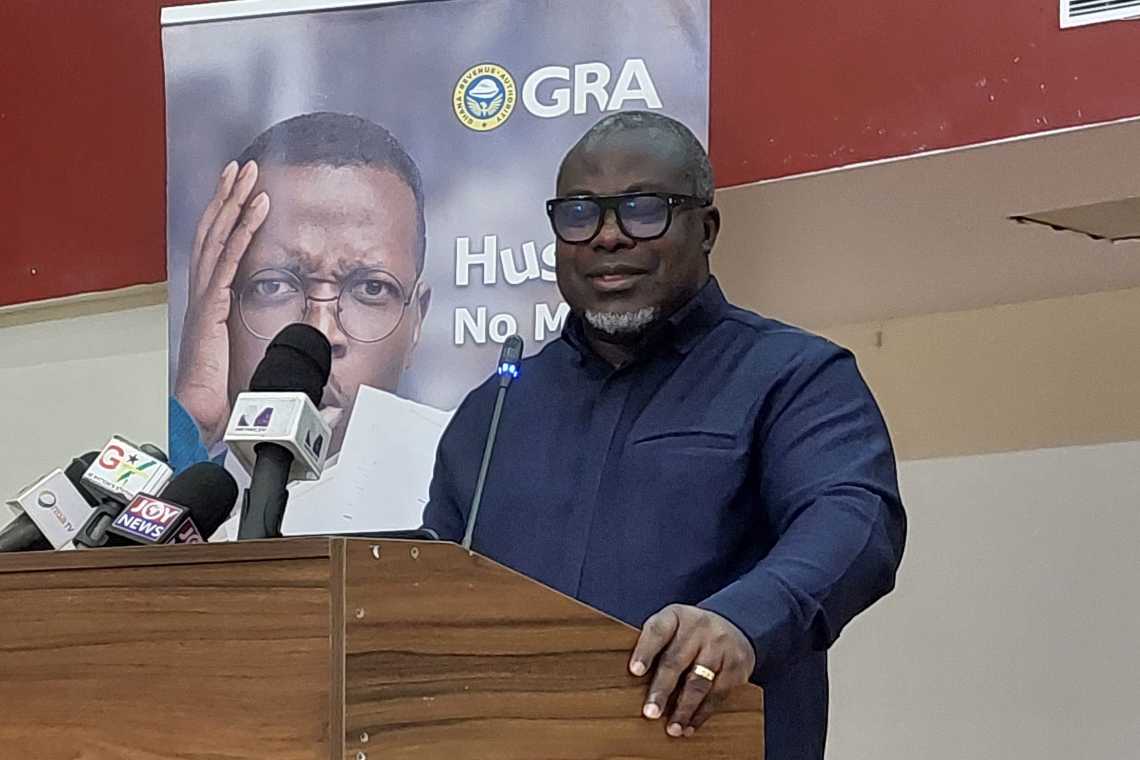
The Ghana Revenue Authority (GRA) is moving from policy to strict enforcement. Commissioner-General Mr. Anthony Kwasi Sarpong has announced that 2026 will mark the full
nationwide implementation of the Taxation (Use of Fiscal Electronic Device) Act.
This move is a direct response to a staggering reality: Ghana is currently capturing only 40% of its potential VAT revenue. By automating the remaining 60% "VAT Gap," the GRA aims to make Value Added Tax the primary anchor of national development.
1. The Digital Watchdog: How it Works
The core of this reform is the deployment of Fiscal Electronic Devices (FEDs) at every retail outlet. These are not just "cash registers"; they are smart monitoring tools linked directly to the GRA’s backend.
-
Real-Time Validation: Every time a sale is made, the device transmits the transaction data to the GRA in near real-time.
-
Tamper-Proof Receipts: The FED generates a unique QR code and a Sales Data Controller (SDC) code for every receipt.
-
Audit Trail: This creates an unbreakable digital chain of custody from the point of sale to the tax authority, eliminating manual "cooking of books."
2. Major Reforms Under the VAT Act, 2025 (Act 1151)
The enforcement of the Device Act is supported by a brand-new legislative framework that took effect on January 1, 2026.
3. The "Carrot and Stick" Strategy
The GRA is using a two-pronged approach to ensure the 60% gap is closed:
The "Stick": Penalties for Non-Compliance
Under the enforced Act, businesses that fail to use the approved FEDs face severe consequences:
-
Fines: Between GH₵6,000 and GH₵24,000.
-
Imprisonment: A term of two to four years for deliberate tampering or failure to issue electronic receipts.
-
Upfront VAT: Unregistered importers now pay a 20% upfront VAT at the port, which is only recoverable upon full registration.
The "Carrot": Consumer Reward Scheme
To ensure businesses don't bypass the system, the GRA is launching a Citizen Reward Scheme. Customers will be incentivized to scan QR codes on their receipts via a mobile app to verify their authenticity. This effectively turns every Ghanaian consumer into a "voluntary tax inspector."
The Bottom Line
For the GRA, 2026 is about "Transforming for Impact." By recoupling levies to allow for input tax credits and deploying physical monitoring devices, the Authority is making the system fairer for compliant businesses while making it "impossible" for others to hide under the radar.