
For decades, malaria was considered Ghana's primary public health foe. However, 2025 and 2026 data indicate a dramatic shift. According to the State of Global
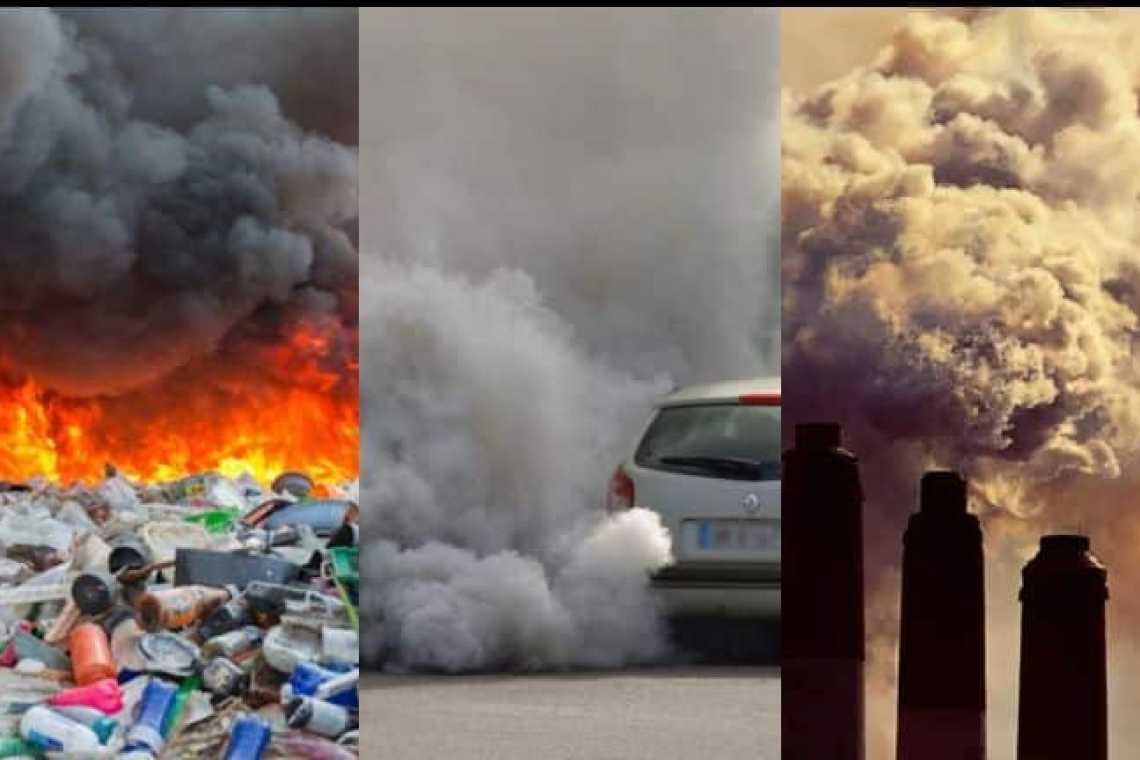
Air 2025 report and recent local studies:Annual Fatalities: Air pollution-related deaths in Ghana have risen to approximately 32,500 annually—up from 28,000 just a few years ago.Comparative Risk: Deaths from toxic air now exceed those from malaria and HIV/AIDS combined.Life Expectancy: Poor air quality is currently cutting roughly nine months (0.8 years) from the average Ghanaian’s life expectancy.Leading Causes of Pollution-Related DeathsDr. Aguyire noted that these deaths are rarely sudden but are the result of long-term exposure leading to:Ischemic Heart Disease (39% of air pollution deaths)Chronic Obstructive Pulmonary Disease (COPD) (33%)Lung Cancer (33%)Stroke and Lower Respiratory InfectionsPrimary Sources of "Toxic Air" in GhanaThe crisis is driven by both household habits and industrial growth. Experts have identified four "high-impact" sources:SourceKey ContributorImpact LevelOpen BurningIndiscriminate refuse burning in communities.High (Direct inhalation)Household EnergyUse of charcoal and firewood (60% of households).Severe (Impacts women/children)Vehicular EmissionsOlder "Tro-tros" and poorly maintained private cars.Critical (In urban centers)Harmattan DustNatural Saharan dust (peaks in Jan/Feb).Seasonal (Acute in the North)Pollution Hotspots (2026 Monitoring)Recent validation workshops by the Environmental Protection Agency (EPA) identified several critical hotspots, particularly in the Greater Accra Region, including Ablekuma Central, Ashiedu Keteke, and Korle Klottey, where PM2.5 levels are often 7–10 times higher than WHO safety guidelines.The Physician's Prescription: "Reduce, Reuse, Recycle"Dr. Aguyire emphasized that while government policy is moving toward an Air Quality Management Regulation, individual behavioral change is the fastest way to save lives.Proper Waste Management: End the "slash and burn" method of refuse disposal.Cleaner Cooking: Transition from charcoal/firewood to LPG or electric stoves.Health Precautions: During the current February Harmattan peaks, vulnerable groups (children and the elderly) are urged to wear nose masks and limit outdoor activities when the Air Quality Index (AQI) is high.The Bottom LineAir pollution is no longer just an "environmental" issue; it is a full-blown economic and health crisis costing Ghana approximately 4.2% of its GDP in lost productivity and healthcare expenses. As Dr. Aguyire warned, "Protecting the environment is directly linked to safeguarding public health."+1