
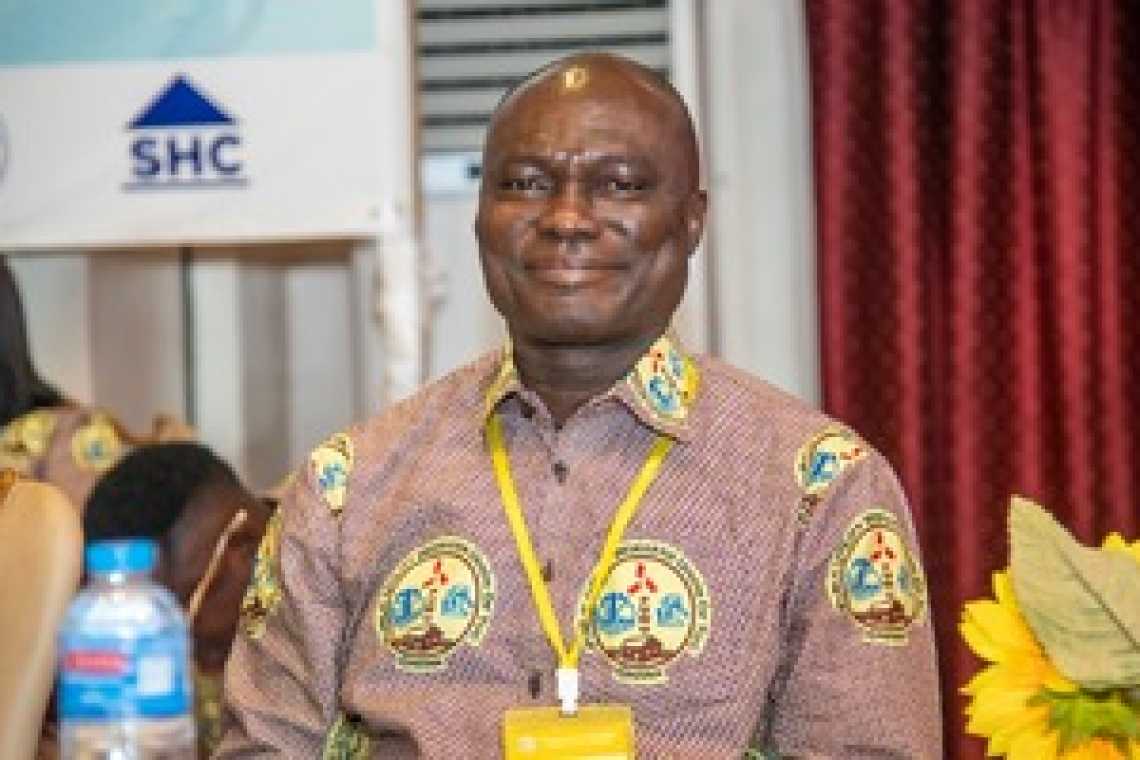
Mr. Daniel Oberko, Regional Secretary for Public Services International (PSI), has urged Ghanaian trade unions to leverage Collective Bargaining
Agreements (CBAs) to mitigate the "frontline burden" of climate change. During a high-level dialogue on Tuesday, February 10, 2026, Oberko emphasized that climate change is no longer just an environmental issue—it is an occupational health and safety (OHS) crisis.
The dialogue is a core pillar of the "Supporting Health and Care Workers for Climate Resilience in Ghana" project, a partnership between PSI, the Ghana Registered Nurses and Midwives Association (GRNMA), and the Health Services Workers Union (HSWU).
The Frontline Reality: A System Under Strain
Health and care workers in Ghana are reporting a "compounding effect" of climate hazards that directly interfere with their ability to save lives.
-
Rising Temperatures: Indoor temperatures in maternity and neonatal wards are frequently exceeding 30°C, leading to worker dehydration, cognitive slowing, and irritability.
-
Damaged Infrastructure: Recurrent flooding has damaged clinics and disrupted supply chains, forcing staff to work in hazardous conditions.
-
Changing Disease Patterns: A surge in climate-sensitive diseases like malaria, cholera, and heat-related respiratory issues has significantly increased patient loads without a corresponding increase in staffing.
The Strategy: "Action-Based Learning" (ABL)
The project has introduced a worker-led approach to policy-making known as Action-Based Learning.
-
Identifying Risks: 17 ABL sessions involving 140 frontline workers have already been conducted to map specific workplace climate risks.
-
Worker-Led Solutions: Instead of top-down directives, workers are proposing practical fixes, such as "water-buddy" systems for hydration, task-rotation during peak heat, and infrastructure shading.
-
CBA Integration: These solutions are being drafted into formal clauses for future labor negotiations. As Samuel Akolgo Alagkora (GRNMA 1st VP) noted, unions want "climate-resilient workplace protections" codified into law.
A Call for "Green" Health Infrastructure
The dialogue highlighted that many existing health facilities were not designed for the current climate reality. The PSI and its affiliates are calling on the government to:
-
Integrate Heat Protection: Modernize facility designs with better natural ventilation and cooling.
-
Strengthen Surveillance: Improve early-warning systems for climate-sensitive disease outbreaks.
-
Support the HNAP: Align union efforts with Ghana’s Health National Adaptation Plan (HNAP) to ensure health workers' safety is central to national climate strategy.
The Bottom Line
PSI and Ghana’s health unions are moving beyond "expert-led" conversations. By using the power of Collective Bargaining, they aim to ensure that the people protecting the public from climate-induced health crises are themselves protected by resilient workplace policies.