
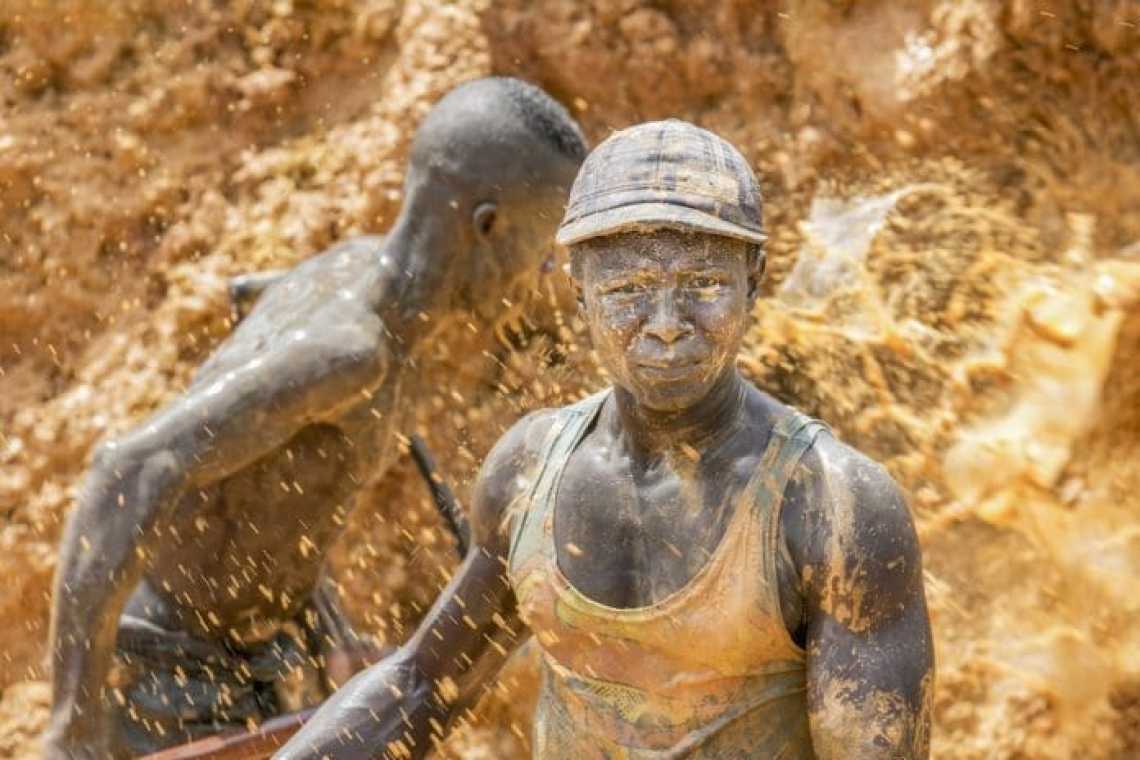
Political interference, corruption, and weak law enforcement are undermining Ghana's fight against illegal mining — commonly known as galamsey — according to experts who spoke at a university lecture in Somanya. Prof. Gibrilla Abass, a Water Resources Scientist and Isotope Hydrologist, delivered the keynote address at the University of Environment and Sustainable Development's (UESD) Sixth Commencement Lecture on the theme: Securing the Environment: Challenging the Galamsey Menace. He warned that successive government interventions have failed because the issue has been politicised. A trail of failed programmes Prof. Abass cited state-led initiatives including the 2017 ban by the Inter-Ministerial Committee, Operation Vanguard, Galamstop in 2019, and the Blue Water Guards introduced in 2025 — all aimed at tackling illegal mining but none of which achieved the desired results. While the programmes showed early potential, they could not succeed as political pressure, bribery, weak regulation, and the influx of foreign nationals steadily eroded their impact, he said. He also noted that galamsey has shifted from small-scale indigenous practices to destructive operations involving heavy machinery and toxic chemicals. Rivers, farmlands, and forest reserves have suffered severe damage, with water pollution posing grave risks to public health and livelihoods. Prof. Abass criticised Ghana's limited investment in scientific research, saying, Without research, the fight against galamsey becomes reactionary rather than strategic. He urged the government and the Ministry of Education to support UESD's role in environmental protection, describing the establishment of the university as the most significant step we have taken as a nation in protecting our environment. Calls for action A panel of academics, civil society groups, and environmental advocates at the event stressed that sustained advocacy and enforcement are critical to reversing the damage caused by galamsey in Ghana. UESD Vice-Chancellor Prof. Eric Nyarko-Sampson urged universities to go beyond theory and actively engage with policymakers and communities affected by illegal mining. He announced plans to expand postgraduate programmes, including MSc and MPhil programmes in Environmental Restoration Studies, and efforts to introduce MSc Environment, Health and Safety, and MSc/MPhil in Environmental Toxicology. These programmes aim to assess the environmental and health impacts of toxic substances released through mining and to develop mitigation strategies, he said. Prof. Nyarko-Sampson further disclosed plans for a PhD programme to strengthen advanced research and policy engagement. He reaffirmed UESD's commitment to advocacy, community education, and student-led environmental leadership, stressing that Collective effort, scientific research, and robust policy enforcement remain the most effective tools in confronting illegal mining in Ghana. The lecture, held at UESD's Multi-Purpose Building, drew students, lecturers, traditional leaders, activists, civil society organisations, and development partners. Whether Ghana can finally break the cycle of failed galamsey programmes will hinge on the government's willingness to act on the scientific and policy recommendations laid out at Somanyamm