
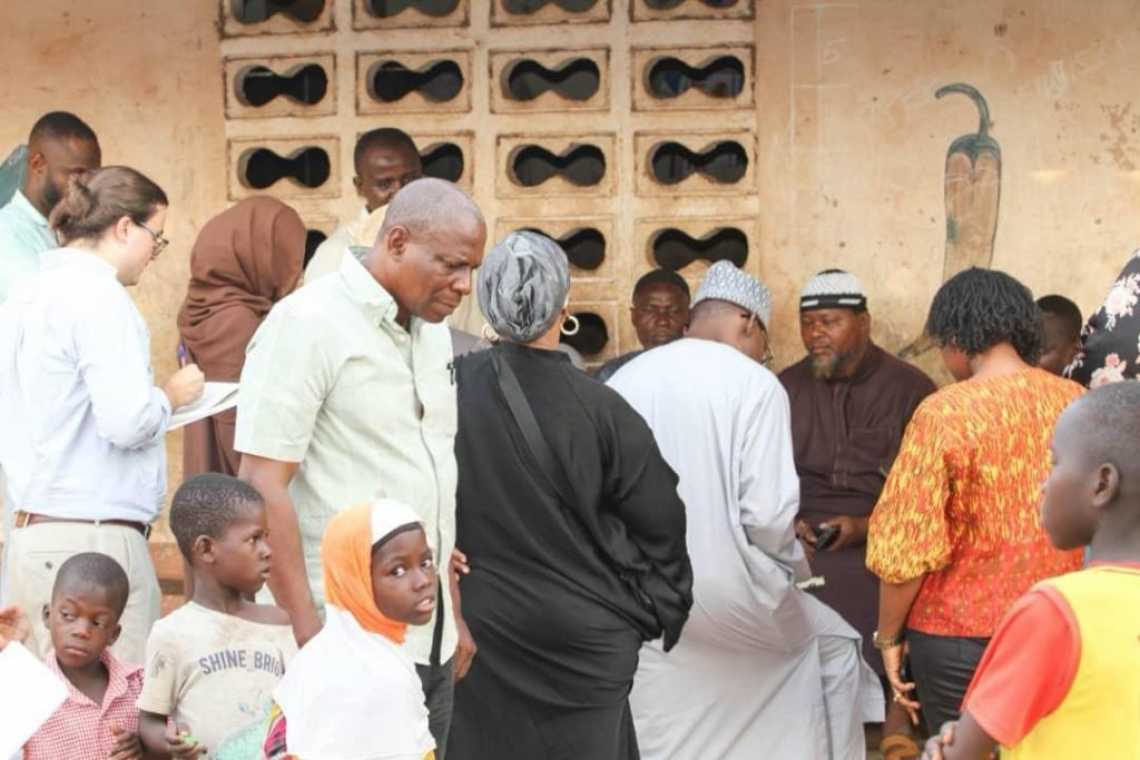
Following a high-level visit from February 2 to 6, 2026, Ghana and Nigeria have committed to a formal Memorandum of Understanding (MoU) to establish a permanent knowledge-sharing framework. The
partnership, facilitated by the British High Commission, aims to replicate Ghana’s highly successful Complementary Basic Education (CBE) model in Nigeria to help re-enroll millions of marginalized children.
The Problem: A Regional Crisis
The scale of the challenge differs significantly between the two nations, making the cost-effectiveness of Ghana's model particularly attractive to Nigerian reformers.
-
Nigeria: Faces one of the world's largest out-of-school populations, with 18.3 million children currently outside the formal system.
-
Ghana: Focuses on approximately 450,000 children in hard-to-reach areas, specifically targeting the 8–16 age group who have either never enrolled or dropped out.
The "Ghana Model": $100 to Transform a Life
The Nigerian delegation, which included officials from the high-density states of Kano and Kaduna, focused on the mechanics of Ghana's CBE program. The program is recognized globally for its "9-month transformation" cycle:
-
Accelerated Learning: A specialized curriculum focusing exclusively on foundational literacy and numeracy.
-
Cost Efficiency: At just $100 per child, the program is significantly cheaper than the traditional primary school cycle.
-
Transition Success: 90% of graduates successfully transition back into formal public schools (typically entering at the Primary 3 or 4 level).
-
Community-Led: Classes are taught by local volunteer facilitators in their mother tongue, reducing the barrier to entry for children in rural communities.
Strategic Highlights of the Partnership
The Bottom Line
With UNICEF data highlighting that the future of the West African workforce depends on these 18+ million children, the CEA-NCAOOSCE pact represents a shift from donor-dependent projects to state-funded, evidence-based policy. As Dr. Tunji Aluasa, Nigeria’s Education Minister, moves forward with the Education Sector Reform Initiative, Ghana’s CBE model will serve as the primary blueprint for reclaiming Nigeria’s "lost generation."