
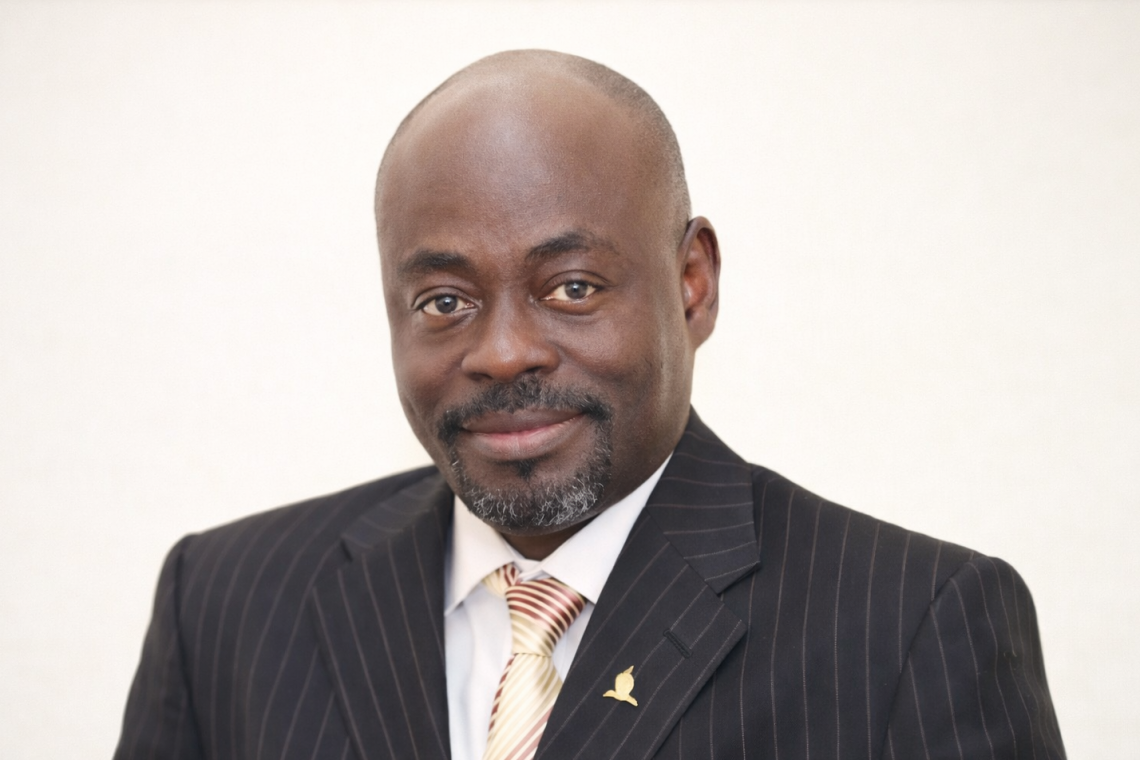
Addressing an international audience at the 4th Global Media, Communication and Film Conference in London, Media Consultant Dr. Nana Sifa Twum has delivered a scathing
critique of Africa’s "enforcement-only" approach to illegal mining.
Presenting his research on February 20, 2026, Dr. Twum argued that the persistence of "Galamsey" in Ghana despite military-led taskforces is evidence of a "governance gap." He proposed a shift toward a Strategic Communication Model, asserting that the battle for Ghana’s water bodies will be won in the minds of the people, not just in the forest reserves.
1. The Four-Pillar Framework for Environmental Governance
Dr. Twum’s research posits that the current anti-galamsey narrative is failing because it treats citizens as "targets of policy" rather than "owners of the solution." He proposed a four-pillar model to rebuild public trust:
| Pillar | Focus Area | Goal |
| Transparency | Consistent messaging | Publishing clear policy goals and regular, honest updates on progress/failures. |
| Community Narratives | Cultural Sensitivity | Using local radio and traditional leaders to tell the story of environmental loss. |
| Media Accountability | Ethical Journalism | Investigative reporting that explores systemic drivers instead of just "demonizing" miners. |
| Multi-Stakeholder Dialogue | Sustained Engagement | Continuous platforms involving government, civil society, and affected communities. |
2. The "Credibility Gap" and Traditional Authority
One of the most striking points in Dr. Twum’s presentation was his observation on where "real" credibility lies in rural Africa.
-
State vs. Tradition: He noted that in many mining enclaves, traditional leaders, religious figures, and local radio stations possess far more credibility than state institutions.
-
The Error: By relying solely on top-down directives from Accra, the government misses the opportunity to leverage these "interpersonal influence" structures to drive behavioral change.
-
The Narrative Shift: Dr. Twum urged a move away from "survival stories" (where galamsey is seen as the only escape from poverty) toward a shared public story about the toxic legacy of mercury and land degradation.
3. Moving Beyond "Galamsey" Hypocrisy
The London conference, which featured experts from around the globe, tackled the role of storytelling in social transformation. Dr. Twum highlighted that public attitudes in Ghana are currently shaped by a perception of "state hypocrisy"—the belief that while small-scale miners are arrested, big players remain protected.
-
Strategic Recommendation: Governments must engage professional communicators to develop holistic strategies that address these perceptions directly, rather than ignoring them.
-
Reframing the Issue: Illegal mining must be framed as both an environmental and a governance issue, shifting the focus from "mere regulation" to "comprehensive ownership."
4. The Role of the Media
As one of only two African speakers at the event (alongside Moroccan diplomat Karima Kartite), Dr. Twum challenged the media to improve its framing:
-
Avoid Demonization: Focus on why people mine (economic hardship, lack of alternatives).
-
Investigative Depth: Follow the money and the chemicals to expose the structural drivers of the menace.
The Bottom Line
Dr. Twum’s message to African governments is clear: "Governance succeeds when citizens believe, own, and act on the message." Without a "Reset" in how the state communicates with its people, the military taskforces may secure the land temporarily, but they will never secure the future of Ghana's environment.