
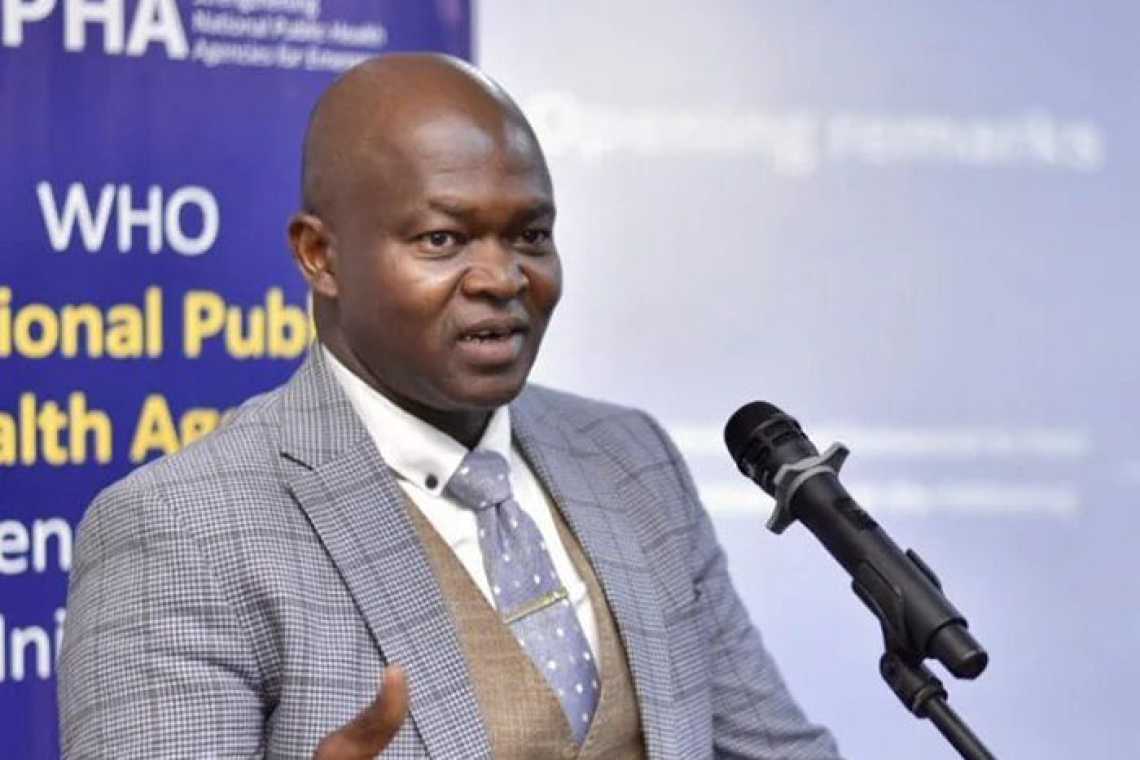
The Ghana Health Service (GHS) has broken its silence on a "deeply concerning" trend of aggression and violence directed at healthcare workers across the country. In a strongly
worded statement released this weekend, the Service declared that it will no longer tolerate the intimidation or physical assault of its staff, emphasizing that such acts directly compromise the nation’s ability to deliver essential healthcare.
The GHS's stance comes just 24 hours after the Ministry of Education issued a similar warning regarding student-on-teacher violence, signaling a broader government crackdown on the mistreatment of public sector workers in 2026.
1. A Call for Mutual Respect
The GHS highlighted that its operations are built on a foundation of mutual respect between the provider and the patient. While acknowledging that patients and families often experience high stress, the Service stated that "excellent care" cannot be delivered in an atmosphere of fear.
Key Pillars of the GHS Statement:
-
Dignity in Service: Staff are expected to be treated with the same respect they afford to patients.
-
Safety Priority: The Service has officially categorized the safety of its team as its "highest priority."
-
Professional Resilience: The GHS expressed firm solidarity with personnel who continue to work despite these rising challenges.
2. Strengthening Security in Facilities
To move beyond verbal condemnation, the GHS announced a new phase of collaboration with national security agencies to "harden" healthcare facilities against aggression.
-
Security Collaborations: The GHS is working with the Ghana Police Service to increase the presence of security personnel at high-risk facilities, particularly in emergency wards and psychiatric units.
-
Protective Measures: Strengthening "access control" to prevent unauthorized individuals or groups from entering clinical areas to intimidate staff.
-
Legal Recourse: The GHS reaffirmed that it will pursue legal action against perpetrators of violence, much like the recent court convictions seen in the education sector.
3. Context: The Stressed Healthcare Environment
While the GHS statement did not cite specific recent incidents, health experts point to several factors currently stressing the patient-provider relationship in 2026:
-
High Patient Loads: Following the "No Academic Fee" and expanded social protection policies, more people are seeking tertiary and specialized care, leading to longer wait times.
-
Resource Constraints: Despite the uncapping of the National Health Insurance Levy, some regional facilities still face occasional supply chain lags for specific medicines.
-
The "Reset" Expectations: With the government's "Reset Agenda" promising improved services, some citizens have become increasingly impatient when immediate results aren't felt at the facility level.
4. Safety as a Shared Responsibility
The Service reminded the public that when a nurse or doctor is threatened, it isn't just one person at risk—it is every patient in that facility whose care is disrupted.
"We will not condone any act that compromises the safety, well-being, or ability of our personnel to perform their duties effectively." — Official GHS Statement
The Bottom Line
As Ghana moves through its 2026 "Reset," the protection of "human capital" is emerging as a top priority. Whether it is a teacher in Kade or a nurse in Accra, the message from the state is uniform: the law will defend those who serve the public.