
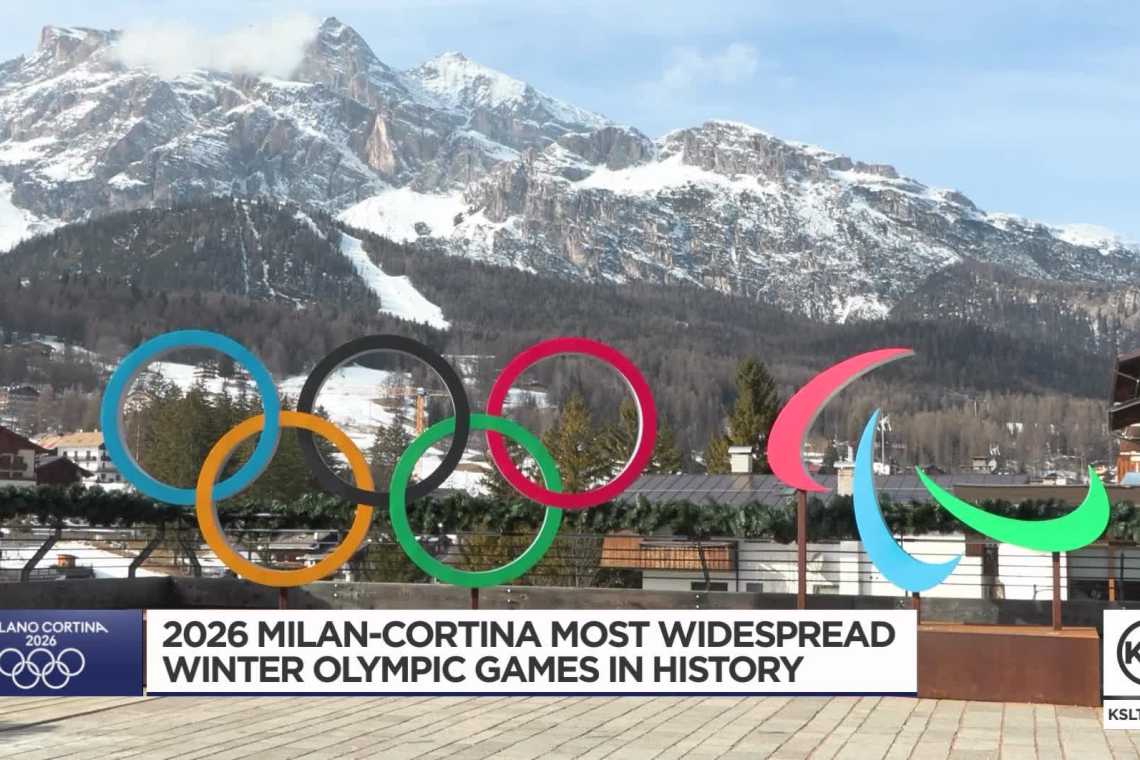
Covering more than 22,000 square kilometers of northern Italy, these are the most geographically dispersed Games in history. Rather than building a
single, massive Olympic Park, the organizers have opted for four distinct clusters to utilize existing world-class facilities.
The Four Main Clusters
-
Milan (Lombardy): The urban heart, hosting ice sports (hockey, figure skating, short track) and the Opening Ceremony at the iconic San Siro Stadium.
-
Cortina d’Ampezzo (Veneto): The historic "Queen of the Dolomites," hosting alpine skiing, curling, and sliding sports (bobsleigh, luge, skeleton).
-
Valtellina (Lombardy): The venue for alpine skiing (men's), freestyle skiing, and snowboarding.
-
Val di Fiemme (Trentino): The hub for Nordic disciplines, including cross-country skiing, ski jumping, and the biathlon (in nearby Antholz).
A "New Norm" for Olympic Hosting
Sebastian Coe notes that this regional approach is the future of both Winter and Summer Games. By spreading events across regions rather than a single city, the IOC aims to achieve several goals:
-
Cost Reduction: Minimizes the "white elephant" syndrome—expensive, specialized venues built for a single event that sit empty afterward. Over 90% of the 2026 venues are existing or temporary.
-
Relevance: Brings the Games to more people by integrating them into the existing social and economic fabric of different communities.
-
Sustainability: Reduces the environmental footprint by avoiding large-scale new construction on pristine land.
Comparison: London 2012 vs. Brisbane 2032
Coe contrasted his experience leading London 2012, which was a concentrated urban project focused on the regeneration of East London, with the upcoming Brisbane 2032 Games.
| Feature | London 2012 (Compact) | Brisbane 2032 (Regional) |
| Model | Single-city hub | Regional (South East Queensland) |
| Spread | Mostly within the Olympic Park | Brisbane, Gold Coast, Sunshine Coast |
| Legacy Goal | Urban regeneration of a specific district | Regional transport and infrastructure growth |
The Logistical Hurdles
While Coe supports the model, he admits it poses "undeniable logistical challenges." With clusters separated by an average of 250 kilometers, travel times for officials, media, and fans can exceed three to six hours one-way. This has led to unique solutions, such as the historic two-ceremony setup used in the Opening Ceremony to connect the mountains and the city in real-time.
The Bottom Line
The "Milan-Cortina Model" is the ultimate test of the IOC's Olympic Agenda 2020. If Italy can successfully manage the logistics of a Games spread across half a country, it will likely serve as the permanent blueprint for future host nations looking to host the Olympics without the multi-billion-dollar price tag.